Landscape beds
Ground cover and accent bands that frame planting and architectural lines.
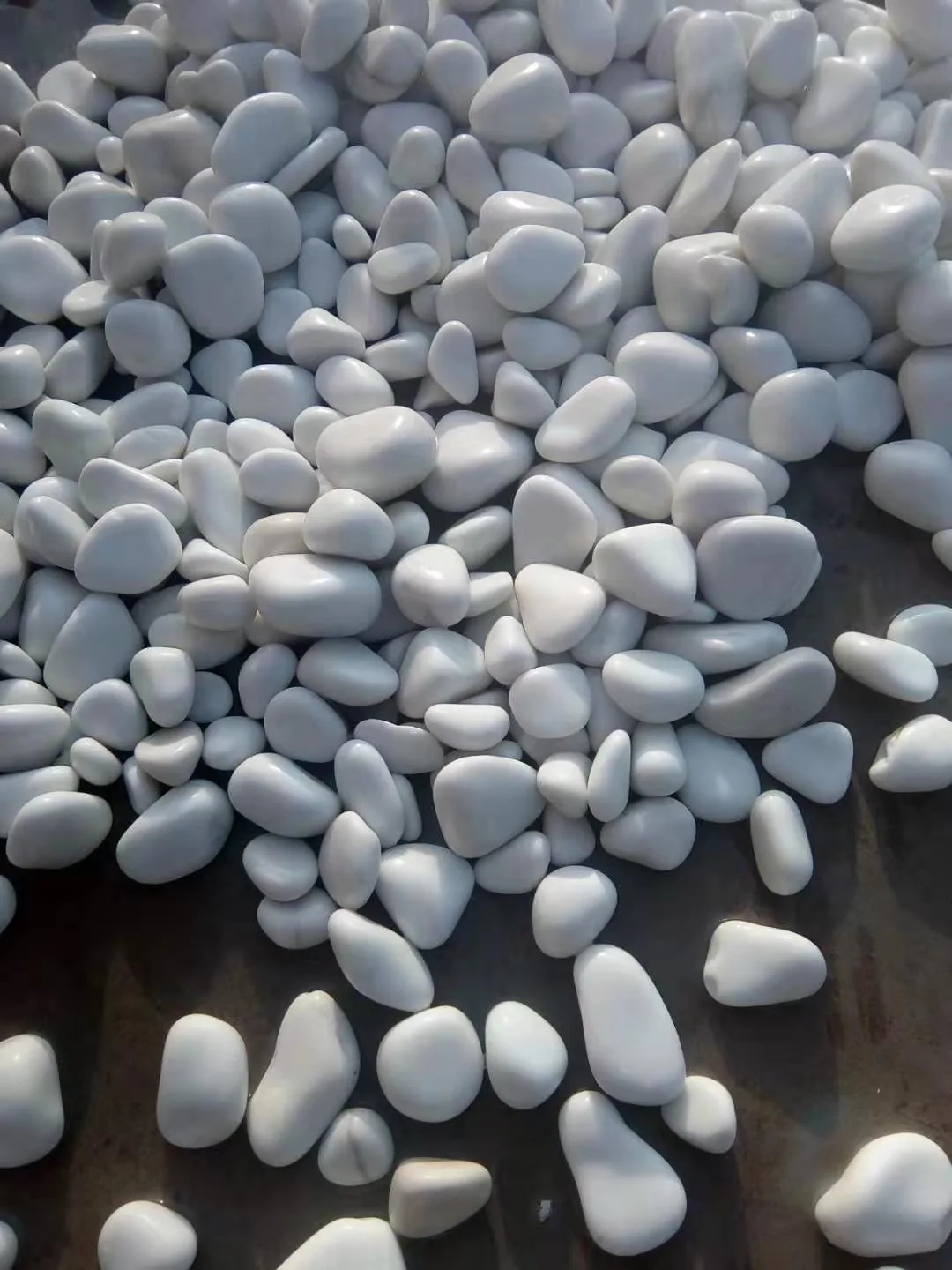
Rotary drum stone finishing · Cronus
A practical, batch-based cobblestone polishing machine for decorative stone producers who care about shape, surface and repeatable process control.
Made for material that matters
River-worn cobbles and decorative pebbles are valued for their natural form. A rotary drum polishing machine helps processors refine edges and surface appearance through controlled batch tumbling—without treating every rock as if it were the same.
See the processThe equipment
The Cronus cobblestone polishing machine is a rotary-drum system for batch stone finishing. Choose a configuration only after matching the drum to your stone, desired finish and site utilities.
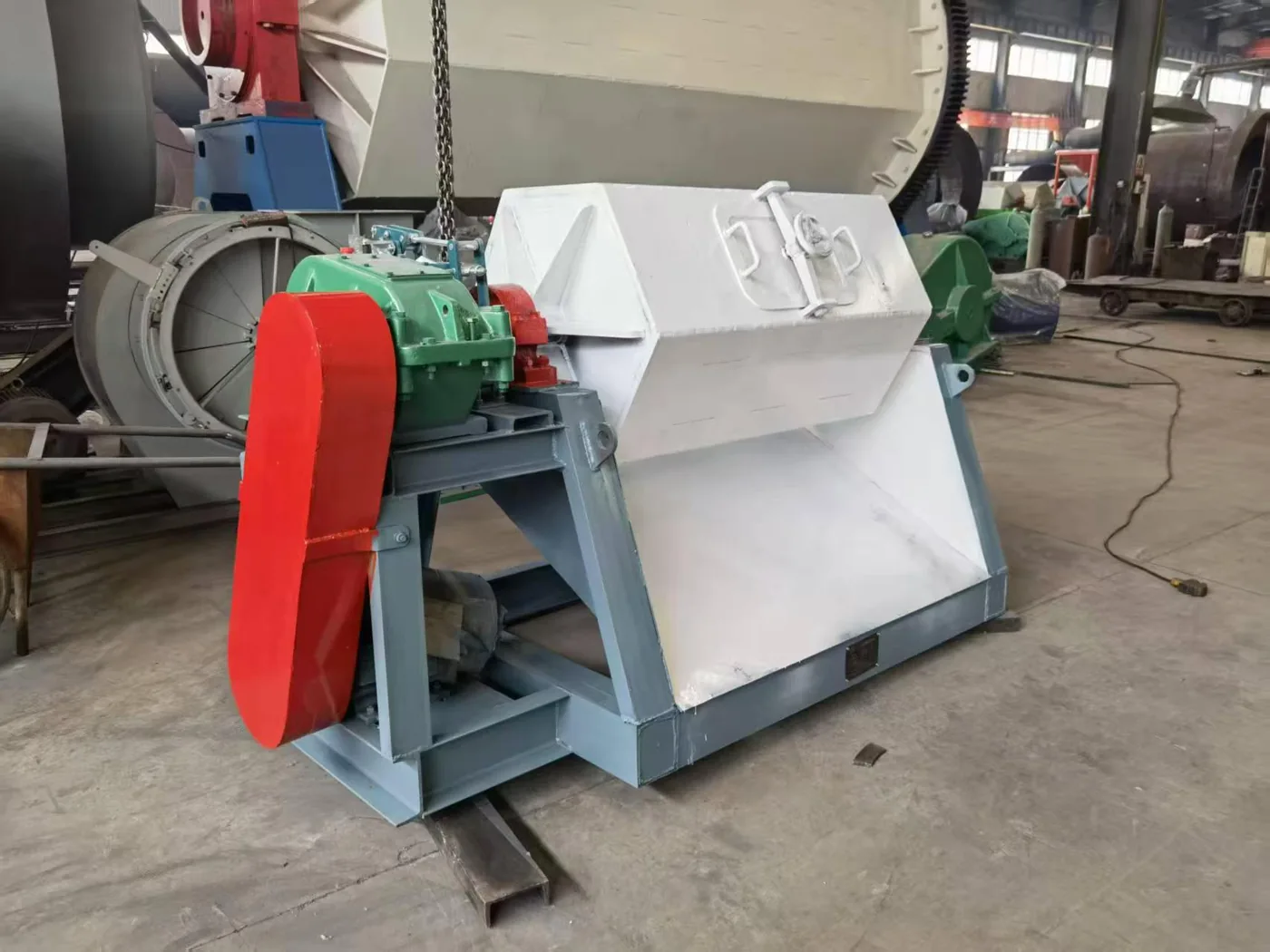 Workshop equipment photo · model image supplied locally
The supplied manual describes a drum driven through a reducer and gear transmission. As the drum rotates, the stone batch rolls and cascades against itself. Water can be introduced through a hollow shaft for wet grinding; the manual also describes slurry discharge.
For a starting reference, the manual suggests loading to about three-quarters of the drum and inspecting after one hour. Both are operating notes, not a guaranteed recipe or output claim. Stone hardness, shape, size distribution and target finish change the result.
Request a process reviewBatch chamber with a bolted access door for loading and discharge.
Mechanical transmission turns the drum; drive arrangement varies by model.
Water feed and slurry discharge are described in the manual for wet processing.
Level, secure installation is required. The manual notes a brake on machines above 10 t; verify the exact configuration.
Model data from supplied manual
Values are transcribed from the local parameter sheet. Confirm final specifications against a signed quotation and approved drawing.
| Model | Drive power | Drum size (mm) | Drum thickness | Approx. batch figure* | Listed material |
|---|---|---|---|---|---|
| 0812 | 7.5 kW | 800 × 1,200 | 10 mm | 1 t | Q345B |
| 1621 | 22 kW | 1,600 × 2,100 | 12 mm | 5 t | Q345B |
| 1632 | 37 kW | 1,600 × 3,200 | 12 mm | 10 t | Q345B |
| 2045 | 110 kW | 2,000 × 4,500 | 20 mm | 15 t | Q345B |
| 2060 | 132 kW | 2,000 × 6,000 | 20 mm | 20 t | Q345B |
| 2080 | 160 kW | 2,000 × 8,000 | 20 mm | 25 — unit unconfirmed | Q345B |
| 2450 | 160 kW | 2,400 × 5,000 | 20 mm | 30 t | Q345B |
| 2480 | 185 kW | 2,400 × 8,000 | 20 mm | 40 — unit unconfirmed | Q345B |
| 3060 | 280 kW | 3,000 × 6,000 | 25 mm | 50 t | Q345B |
*The source manual labels this column “approximate volume” while expressing most entries in tonnes. Treat the figures as approximate batch-load references only—not m³ and not tonnes per hour. The table lists Q345B; accompanying prose also mentions manganese steel. Confirm the drum and wear-lining materials before purchase.
From raw stone to finish
Stone polishing is a combination of material selection, loading, tumbling action and process checks. A representative test batch is the most reliable way to align appearance, breakage and cycle time.
Grade feed by size and remove unsuitable contaminants.
Rotate the batch; choose wet or dry processing only after process review.
Check surface and shape at intervals; adjust the cycle based on sample results.
Discharge and screen or rinse downstream where the plant layout requires it.
Illustrative process diagram
not an engineering drawing
Where pebbles come from
Most natural pebbles begin as rock fragments and become rounded through long transport and abrasion. Commercial deposits may occur in active or ancient river channels, floodplains, terraces and glacial sediments. Composition, color and hardness vary with the source rock and local geology.
Decorative stone supply is regional. There is no single authoritative global inventory of “decorative pebble mines” that can be fairly summed into one reserve figure. A site-specific geological survey and local quarry records are needed to establish source, grade and available volume.
Estimated U.S. construction sand and gravel production in 2025. This national aggregate statistic is shown as industrial context only: it is not a global figure, decorative-stone statistic or pebble-reserve estimate.
Deposit types shown schematically, not as a ranked or quantitative global distribution.View the USGS Mineral Commodity Summary ↗Where finished pebbles are used
Polished decorative stones bring color, texture and a finished edge to designed spaces. Match size, color, slip characteristics and the project specification to the intended installation.
Ground cover and accent bands that frame planting and architectural lines.
Decorative path infill and borders. Check the selected stone grading and surface safety for the intended use.
Dry creek beds, pond margins and fountain surrounds where rounded shapes complement moving water.
Planters, display bowls, feature panels and other decorative arrangements.
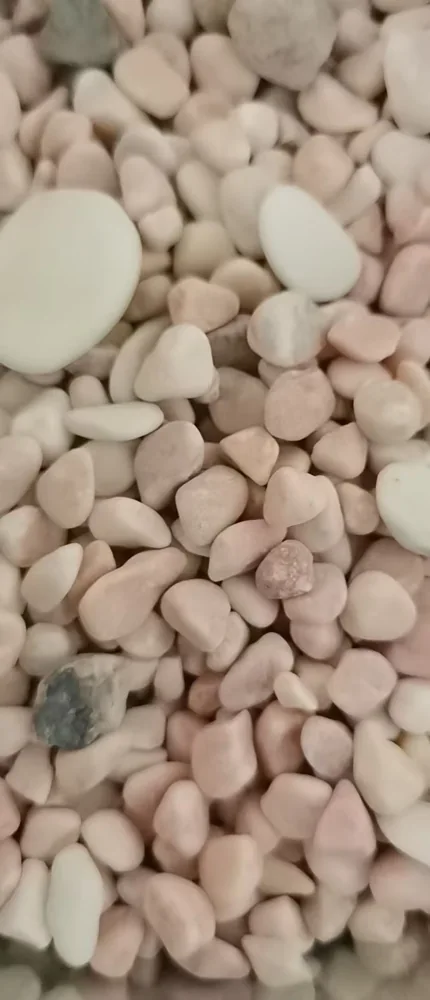
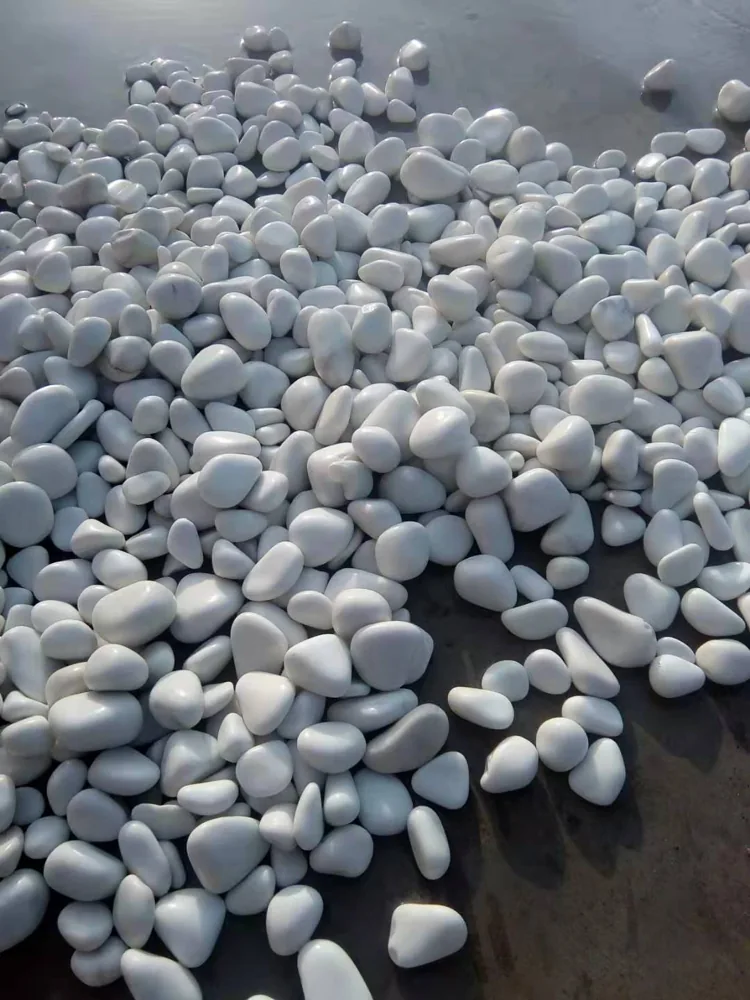
Images are supplied as local Cronus project materials. Confirm their precise lithology and machine-process provenance before using them as performance evidence.
Inside the workshop
Use the workshop footage to understand the manufacturing environment. This is factory context, not a customer installation or a polishing-performance demonstration.
About CronusChoose by application fit
Different finishing systems produce different handling, footprint and surface results. Use this as a selection guide—not as an independently tested performance ranking.
| Selection point | Cronus rotary drum | Manual finishing | Continuous vibratory system |
|---|---|---|---|
| Material handling | Batch tumbling in a rotating drum | Piece-by-piece labor | Continuous flow where configured |
| Best to evaluate for | Bulk stone batches and edge/surface finishing | Small quantities or one-off work | High-throughput finishing of compatible sizes |
| Process control | Batch recipe and inspection based | Operator dependent | Feed and media settings dependent |
| Before choosing | Confirm batch, finish, power, foundation and wet process | Assess labor and consistency needs | Check shape damage, grading and separation needs |
A sample test and a layout review are recommended before selecting any stone finishing process.
Parts that keep the line moving
Rotating equipment needs inspection and condition-based replacement. The parts list depends on the model, process and approved drawing; confirm fit by serial number rather than ordering from a generic photo.
Ask about parts availabilityCronus can review an original-parts request against the machine configuration. Ask for material certificates, dimensional compatibility, lead time and commercial terms. The supplied documents do not verify a dedicated in-house casting facility or universal price advantage.
Company background
Shanghai Cronus Machinery Co., Ltd. describes itself as a subsidiary of Guilin Mining Machinery Co., Ltd. The parent company traces its origins to 1973. Company history and product-specific certification are different questions; we keep them distinct.
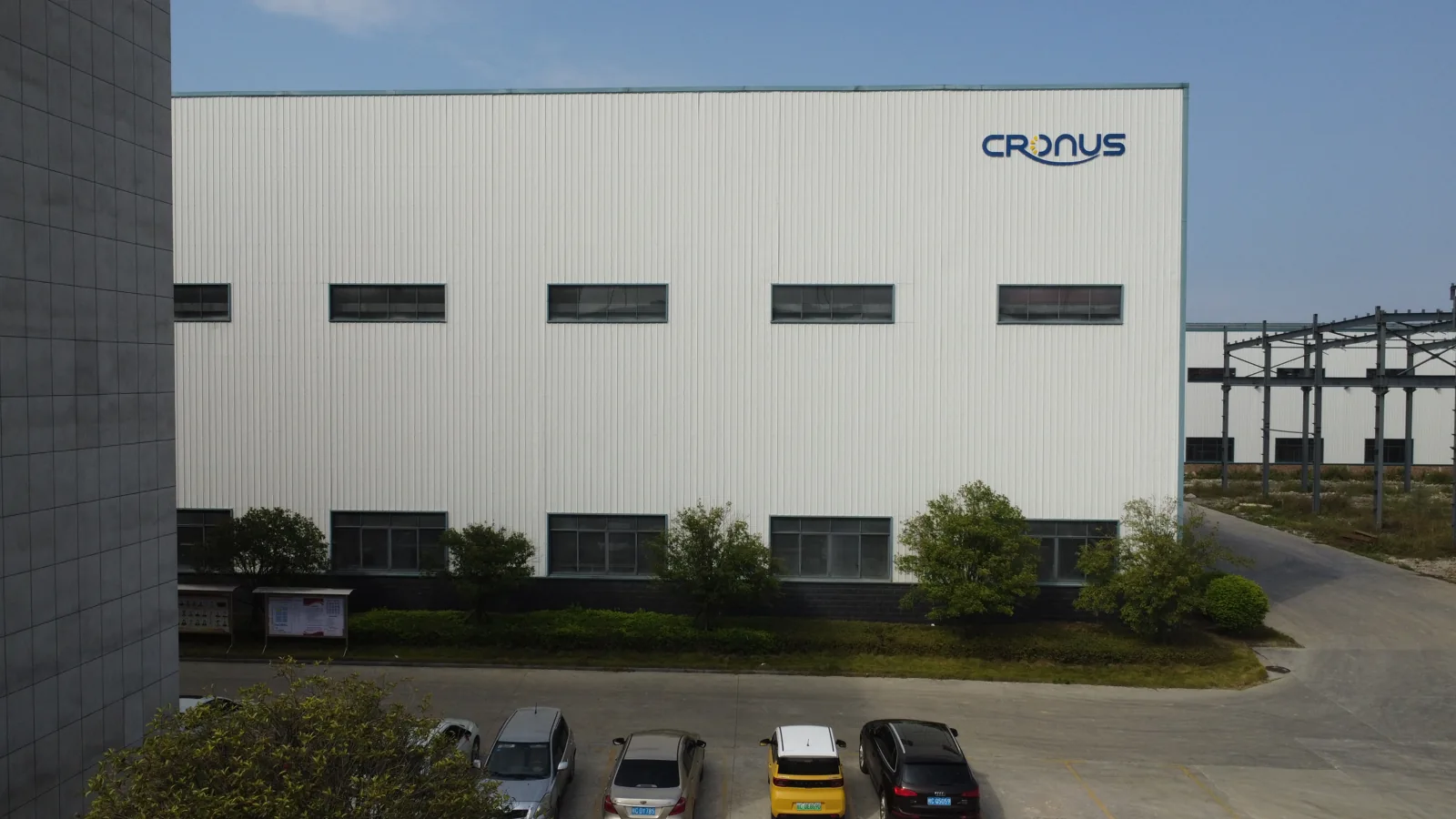
Local materials include parent-company awards, patents and management-system certificates. The 2021 High and New Technology Enterprise certificate names Guilin Mining Machinery Co., Ltd. and states a three-year validity period. The supplied CE document is for a Grinding Mill, not this cobblestone polisher. Ask Cronus for current, machine-specific declarations and certificates for the configuration being purchased.
Read Cronus company background ↗Project evidence
The local folder contains workshop, equipment and finished-stone images, but no verified pebble-polisher customer name, location, throughput or installation report. We will not present unrelated mill projects or anonymous footage as a confirmed cobblestone case.
Share your feed stone and target finish. Cronus can discuss a sample evaluation and help define the information needed for a project reference.
Visit the dedicated polisher pageSample material referenceSupport through the project
Clear inputs help the team recommend a practical configuration and prepare a more complete installation discussion.
Discuss stone type, size distribution, target appearance and batch requirement.
Review floor space, foundation, access, lifting, power supply, drainage and downstream screening.
Confirm drawings, lubrication, guarding, electrical interface and operating responsibilities.
Contact Cronus with model, serial number, operating conditions, photos and the spare part needed.
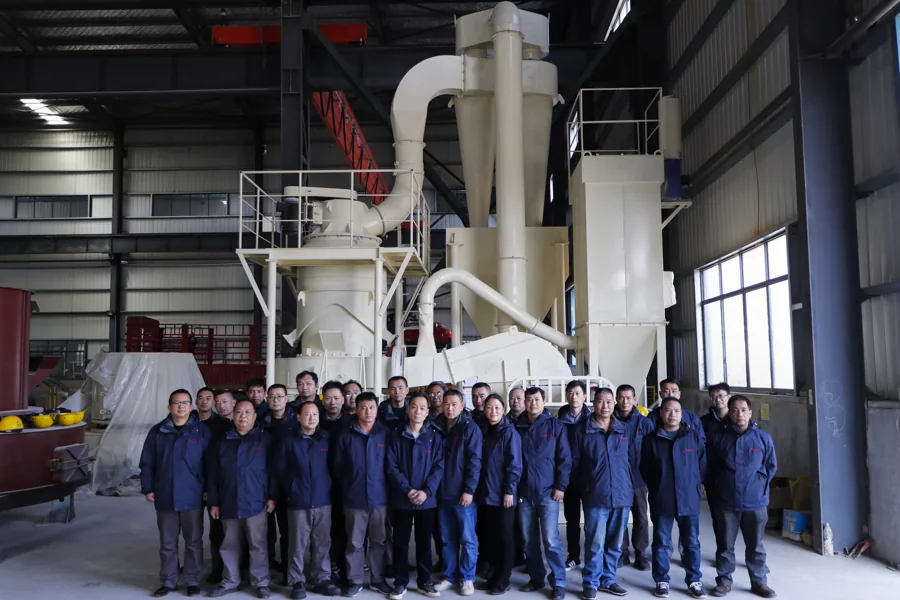
Local team photo. The source file does not identify these people as visiting customers.
Straight answers
For an accurate model recommendation, include your feed, target finish and site details with your inquiry.
A rotary drum tumbler rolls a batch so repeated stone-to-stone contact can soften edges and improve appearance. Water-assisted abrasion may be used when configured. Actual results depend on material and process.
The supplied parameter sheet lists 0812, 1621, 1632, 2045, 2060, 2080, 2450, 2480 and 3060. The document also mentions “1630” in one photo caption; no separate 1630 specification is provided.
No. The manual labels the column “approximate volume” and gives tonne units for most rows. These are approximate batch figures only, not hourly throughput. Confirm units and actual capacity for your material.
The manual mentions large, medium and small stones but does not state a maximum feed size. Send a size range, stone type and photos so the team can evaluate a suitable drum.
No guaranteed cycle time is stated. The manual suggests inspecting after one hour and continuing if required. That is an inspection interval, not a one-hour completion promise.
The manual describes water feed through a hollow shaft and slurry discharge. Ask Cronus to confirm the wet-process configuration, site water needs and slurry treatment for your application.
The parameter table lists Q345B, while the narrative mentions wear-resistant manganese steel. This discrepancy needs written clarification against the offered drawing and wear-lining specification.
The manual requires a level, firmly fixed base and refers to either a concrete foundation or a structural steel frame. Obtain the selected model's foundation loads and installation drawing before construction.
The supplied CE document is titled for a Grinding Mill and names Guilin Mining Machinery Co., Ltd. It does not prove CE conformity for this cobblestone polisher. Request the applicable declaration for the exact machine.
Typical inspection items include wear liners, drive gears, bearings, seals, reducer components, door fasteners and brake parts. Confirm the model-specific BOM and recommended quantity with Cronus.
It can be evaluated for decorative landscape stone. Test a representative sample for the desired roundness, sheen, breakage rate and grading before settling the process recipe.
Send your country, stone type, feed size, target finish, batch requirement, wet/dry preference, voltage and installation conditions. Add photos or arrange a sample review for a more useful recommendation.
Start with your stone
Share the material and site details that shape the process. The form prepares an inquiry in your email app; it does not submit data to a server.